Having meat delivered
You can order meat online or by phone and have it delivered, to your home or to a kitchen such as a café, pub or restaurant.
Keeping it cold on the way
Food that needs a fridge has to be kept cool while it travels. It might come in an insulated box with gel packs, or in a cool bag.
In a home kitchen, the Food Standards Agency's advice is to keep the fridge between 0°C and 5°C. The freezer should be at about minus 18°C.
Keep raw meat wrapped, or in a clean sealed box, on the lowest shelf. That way it cannot drip onto anything else.
Anything marked with a use by date needs the fridge. Each pack carries its own storage instructions too.
Frozen meat is best defrosted in the fridge, in a dish big enough to catch the drips.
Reading the label
On unprocessed pork, lamb, goat or poultry sold in a pack, the label gives two countries. One is where the animal grew up, and the other is where it was slaughtered.
When birth, rearing and slaughter all happened in a single country, the label can show just that country as the origin.
Beef labels say more. They give the country of birth, the country it was raised in and the country of slaughter.
A reference code on the label traces each piece back to its animal, or to the group it was part of.
For loose beef at a butcher's counter, the shop shows these details where customers can see them, for example on a sign on the wall.
If you buy food online or over the phone, the seller must tell you about allergens before you pay, and again when it arrives.
Where it was reared
The origin on the label tells you the country. A farm assurance mark tells you more about how the animal was kept.
Red Tractor puts its logo only on British food certified as meeting its standards. The standards take in how animals are cared for, how safely food is produced and how the land is looked after.
Red Tractor says its produce traces back to assured UK farms.
Ordering from a local butcher or farm
A butcher or farm that sells online still registers as a food business with its local council, even when it trades only online or from home.
Before ordering, you can look up a butcher's or farm shop's food hygiene rating if it trades in Wales, Northern Ireland or England. Ratings run from 5 down to 0, and a 5 means the hygiene standards are very good.
The online rating also shows the date of the last inspection.
In Scotland, Food Standards Scotland runs its own Food Hygiene Information Scheme, and you can search it in the same way.
Ordering for a business
In a business, chilled food must be held at 8°C or colder. The limit is law in Northern Ireland, England and Wales, and Scotland recommends it.
The FSA's business guidance suggests a fridge setting of 5°C or lower, to keep food cold enough when the temperature shifts.
Frozen meat goes into the freezer as soon as it is delivered. Fresh meat can be frozen before its use by date, with the date it was frozen written on it.
Where a kitchen can, it keeps raw meat in a separate fridge. Otherwise the raw meat sits underneath anything ready to eat.
An identification mark on the packaging tells you an approved establishment, such as a cutting plant, produced the meat.
The beef labelling rules apply at every stage of the supply chain, and that includes businesses supplying hotels, restaurants and catering.
Useful links
- Food safety for food delivery (Food Standards Agency)
- How to chill, freeze and defrost food safely (Food Standards Agency)
- Food hygiene for businesses: chilling and freezing (GOV.UK)
- Food labelling: country of origin (GOV.UK)
- The Compulsory Beef Labelling Scheme (GOV.UK)
- Health and identification marks (GOV.UK)
- Food business registration (GOV.UK)
- Food hygiene ratings (Food Standards Agency)
- Food Standards Scotland
- About Red Tractor (Red Tractor)
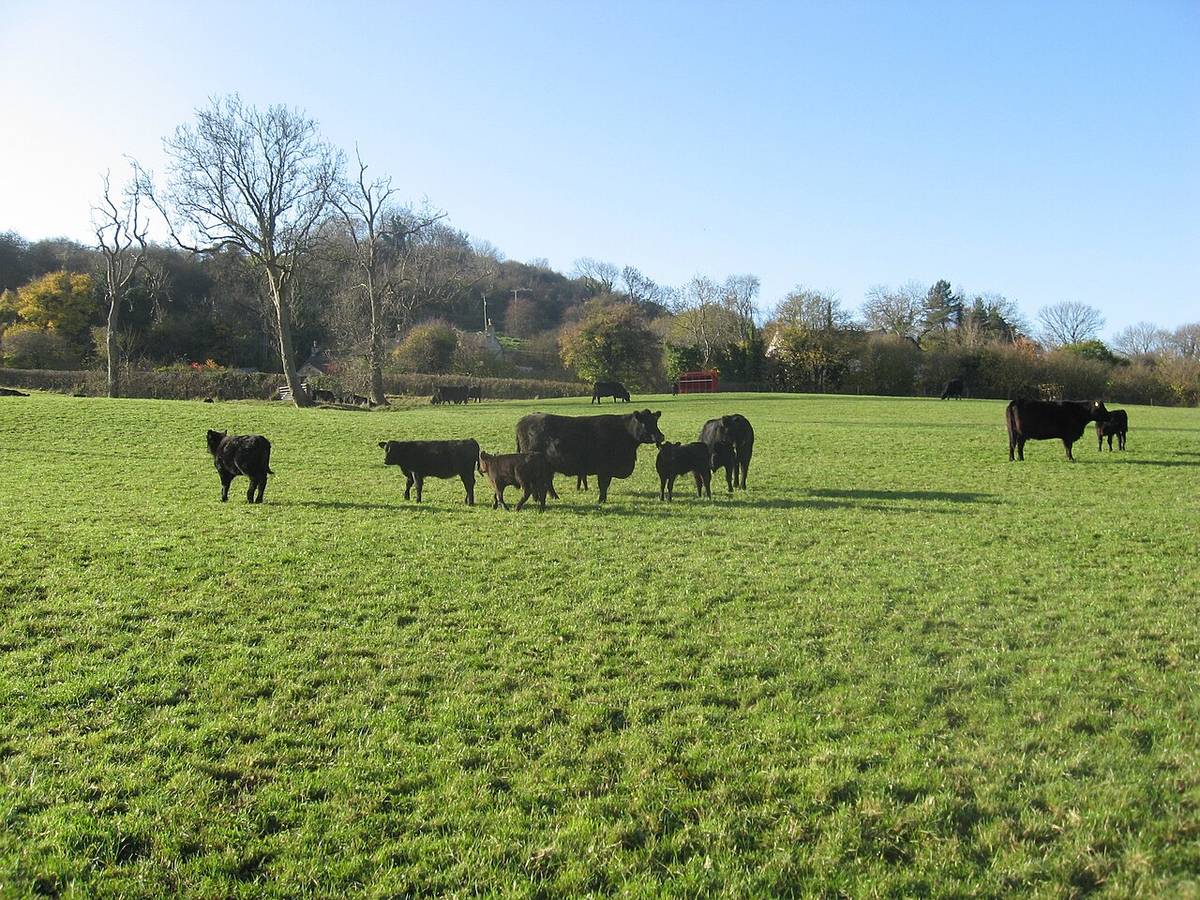
Photo: Dr Duncan Pepper, CC BY-SA 2.0, via Wikimedia Commons (resized)
